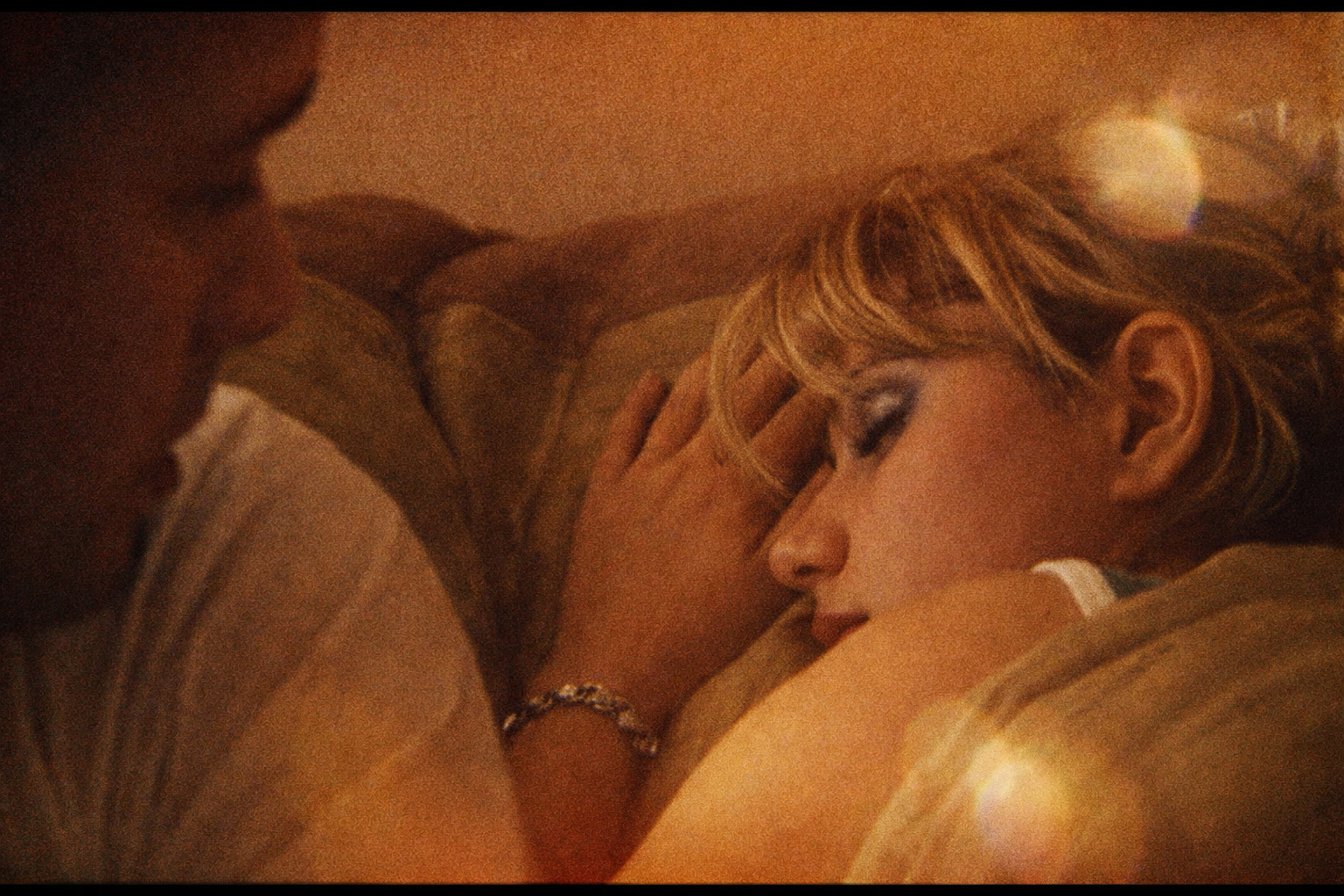
Dooset Daram (2011)

A Road Trip Through The Storm (2021)
August 3, 2021
The 8mm Ballad (2012)
January 6, 2026Project Summery
A young man drifts through an unnamed world where language-once familiar-has quietly turned against him. After a strained silence with his wife, a single misunderstood sentence fractures his sense of reality. From there, communication begins to erode. Words lose meaning. Voices blur. Signs, screens, and conversations slip into unfamiliar symbols and sounds.
As the day progresses, isolation intensifies. Home offers no refuge. Work provides no clarity. Every attempt to reconnect only deepens the distance between him and the world he once understood. Brief moments of recognition emerge-a familiar face, a shared ritual-but even these are corrupted by foreign tongues, leaving comfort just out of reach.
The film unfolds like a looping dream, suggesting a mind suspended in unresolved loss. What appears to be a nightmare may be grief replaying itself, searching for resolution. Relief arrives briefly, only to dissolve again. The cycle resumes before rest can take hold, trapping the protagonist in a quiet, recurring state of disconnection.

Visual Style
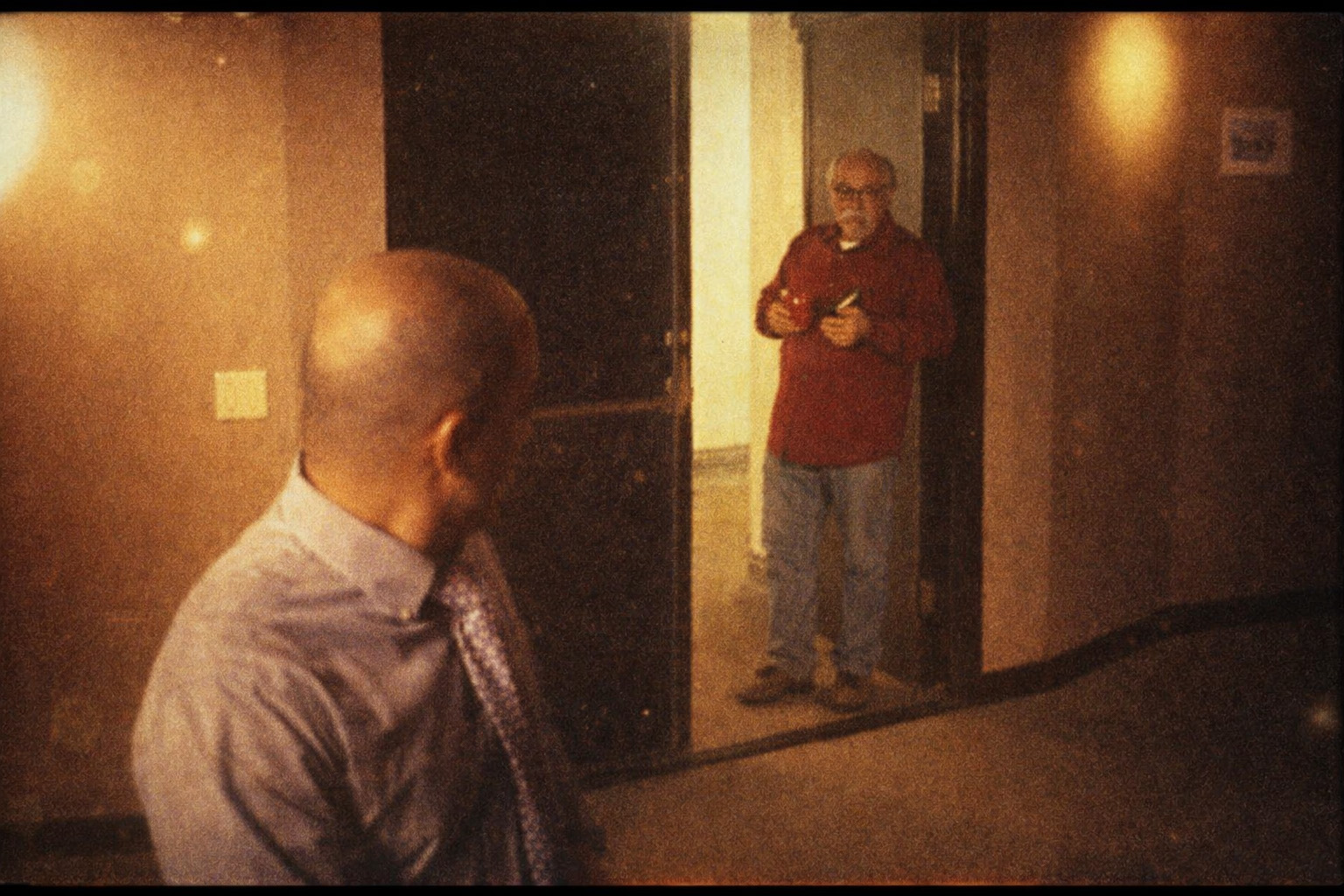
Dooset Daram adopts a restrained and minimal visual language that mirrors the protagonist’s growing sense of isolation. The film favors everyday environments-cars, offices, streets, and domestic spaces-rendered unfamiliar through subtle dislocation rather than overt surrealism. Familiar settings gradually lose their emotional warmth, reinforcing the character’s estrangement from the world around him. Visual repetition and temporal looping suggest a psychological rather than literal breakdown, allowing the audience to inhabit the protagonist’s internal state. Objects associated with comfort and routine-books, television, signage-become sources of unease, transforming ordinary spaces into sites of quiet distress.

Narrative Approach
Dooset Daram adopts a restrained and minimal visual language that mirrors the protagonist’s growing sense of isolation. The film favors everyday environments-cars, offices, streets, and domestic spaces-rendered unfamiliar through subtle dislocation rather than overt surrealism. Familiar settings gradually lose their emotional warmth, reinforcing the character’s estrangement from the world around him. Visual repetition and temporal looping suggest a psychological rather than literal breakdown, allowing the audience to inhabit the protagonist’s internal state. Objects associated with comfort and routine-books, television, signage-become sources of unease, transforming ordinary spaces into sites of quiet distress.