The 8mm Ballad (2012)

Dooset Daram (2011)
January 5, 2026Project Summery
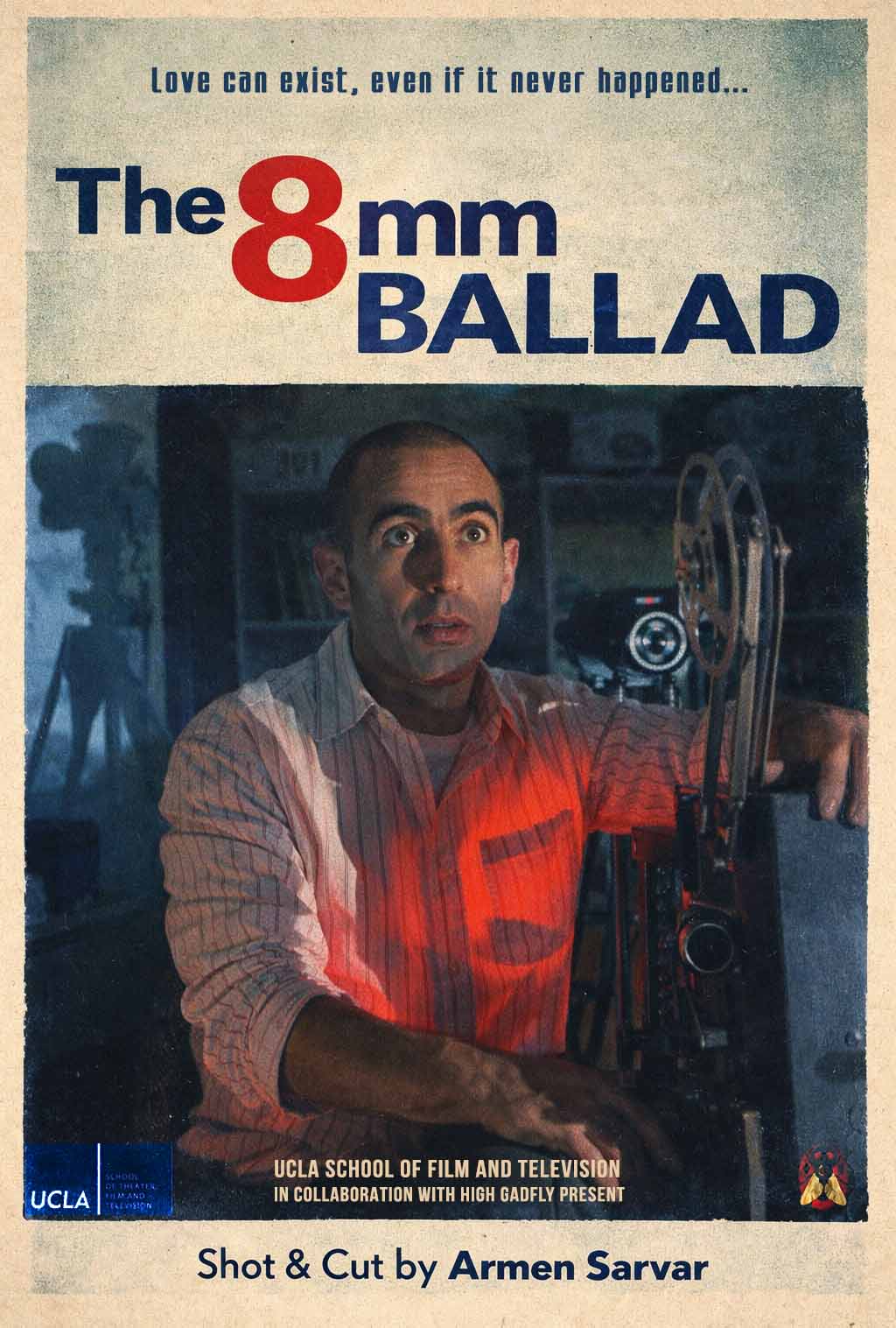
The 8mm Ballad is a short narrative film created as part of the UCLA School of Theater, Film and Television’s Cinematography curriculum. Shot entirely on 16mm film using ARRI Flex cameras, the project emerged from an immersive, hands-on exploration of analog filmmaking at a time when digital technology was rapidly becoming the industry standard.
The film was produced under the constraints and discipline of celluloid cinema—limited film stock, precise camera measurements, manual focus pulling, and carefully metered lighting. Each reel was processed, reviewed, and ultimately edited by hand on a Moviola in UCLA’s editing bays, where long nights were spent physically cutting and assembling the footage. The production unfolded over two days, with the support of fellow students and collaborators, and featured Arbi Markarian in the lead role, delivering a committed performance during demanding overnight shoots.
More than a student exercise, The 8mm Ballad stands as a quiet homage to film as a medium—embracing its imperfections, fragility, and discipline as essential elements of cinematic storytelling.
Visual Style
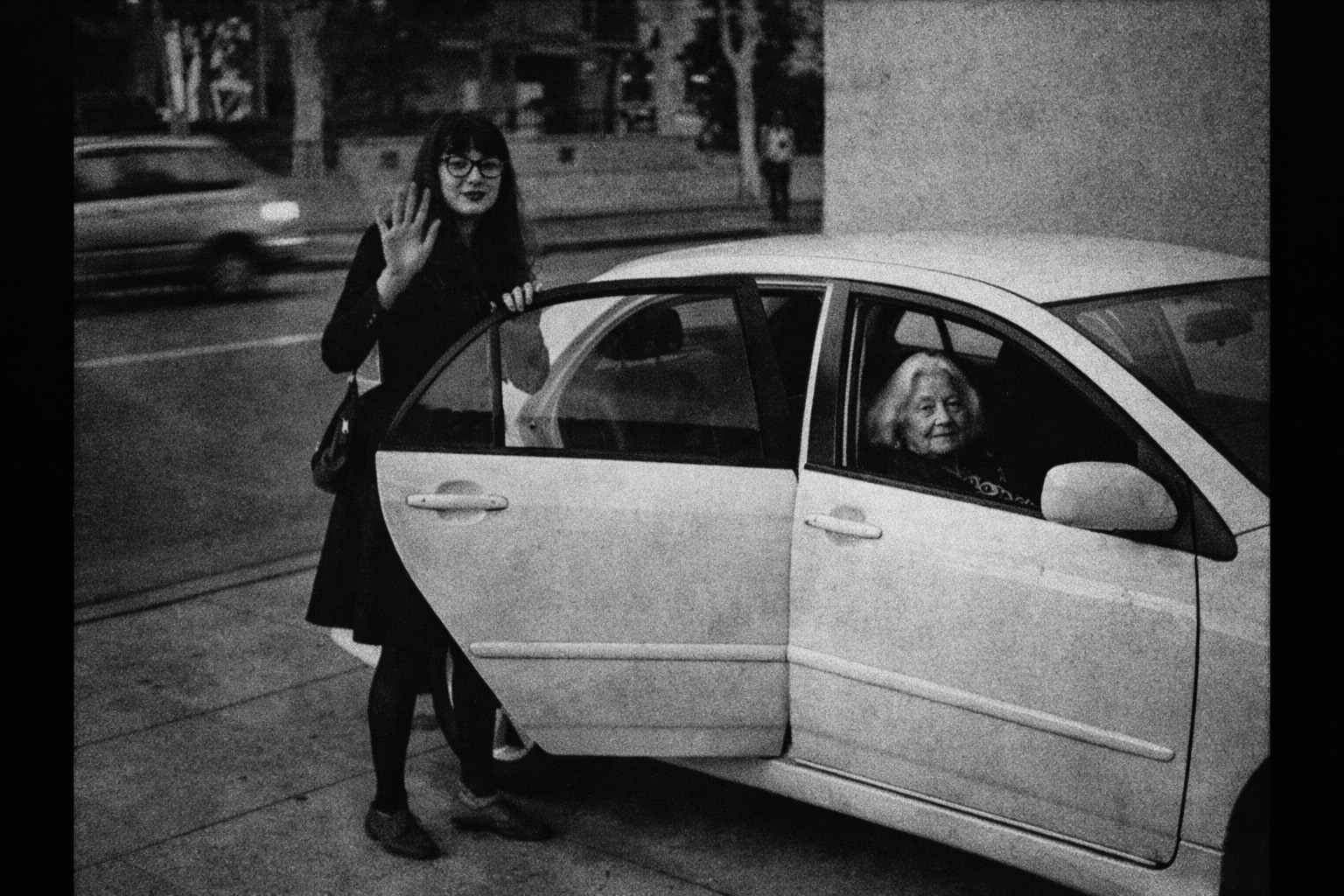
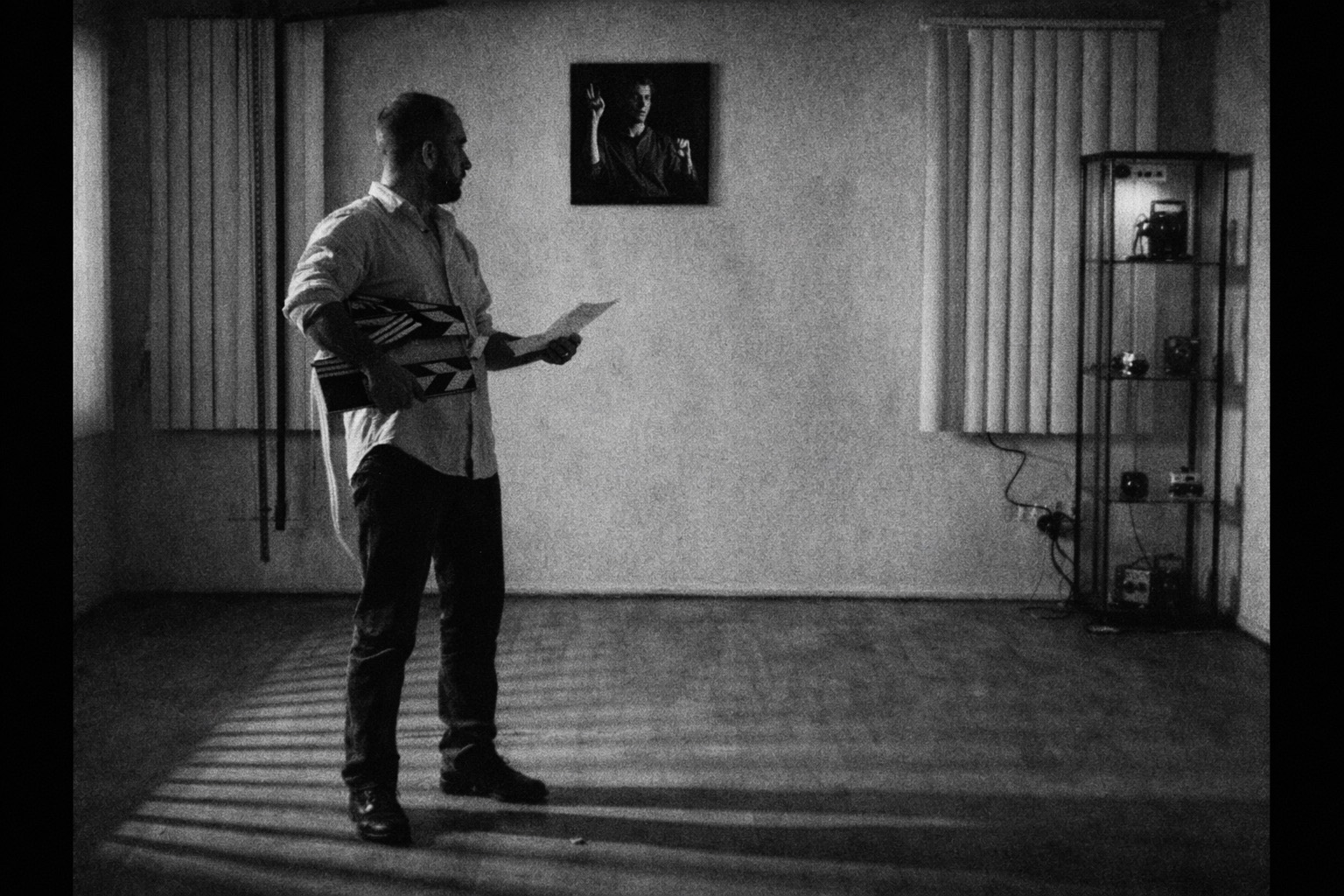
The visual language of The 8mm Ballad is inseparable from its medium. Shot on 16mm film, the image carries a tactile grain, organic contrast, and subtle imperfections that digital cinema cannot replicate. Every frame bears the physical trace of light passing through emulsion, reinforcing the film’s meditation on memory, time, and loss.
The camera work favors restraint and precision, shaped by the limitations of short film rolls and the impossibility of instant playback. Focus is deliberate, compositions are measured, and lighting choices are intentional rather than corrective. This disciplined approach lends the film a quiet intimacy, allowing the texture of film itself to become part of the emotional experience rather than a mere aesthetic choice.
Visual Style
Narratively, The 8mm Ballad unfolds as a contemplative, time-bound experience—mirroring the act of watching film itself. The story progresses through observation rather than exposition, inviting the audience to inhabit the protagonist’s solitude and gradual emotional immersion.
The film blurs the boundary between recorded life and imagined connection, using repetition, duration, and silence to evoke a sense of suspended time. As the night passes and reels roll forward, the narrative gently explores the illusion of permanence created by recorded images—and the inevitable rupture that occurs when reality intrudes. In this way, the film becomes both a character study and a meditation on cinema’s power to preserve moments while reminding us that they are already gone.