The Way and The Well (2019)

Omni (2017)
August 8, 2018
The Bet (2013)
June 8, 2021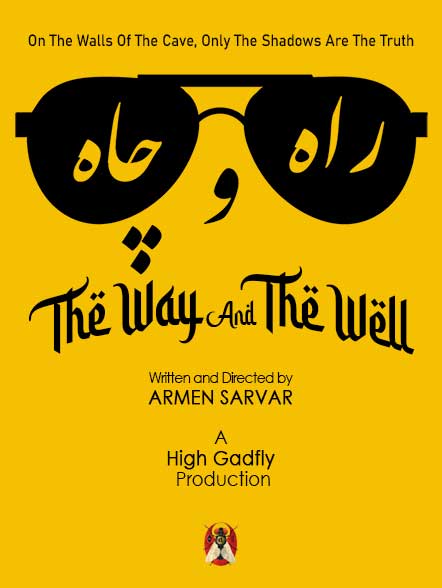
The Way and the Well (Rah’o Chah) is an experimental short film that unfolds as a cinematic meditation on reality, perception, and modern consciousness. Told through reflective voice-over ruminations inspired by Plato’s Allegory of the Cave, the film examines how individuals experience the same world differently—and how screens increasingly mediate that experience.
Shot over five years across three continents using every available camera, the film takes the form of a video collage meant to be felt rather than conventionally narrated. At its core, the film engages with the philosophy and cinematic ethos of Abbas Kiarostami—his devotion to observation, realism, and truth, as well as his resistance to screens and smartphones. Drawing from his short film The Roads of Kiarostami, The Way becomes both a literal road and a poetic metaphor for life itself in Persian culture.
By merging Kiarostami’s “way” with Plato’s cave, The Way and the Well positions contemporary screen culture as the modern cave—one that threatens independent thought, genuine human connection, and our grasp of reality—while the road remains a possible path toward awakening.
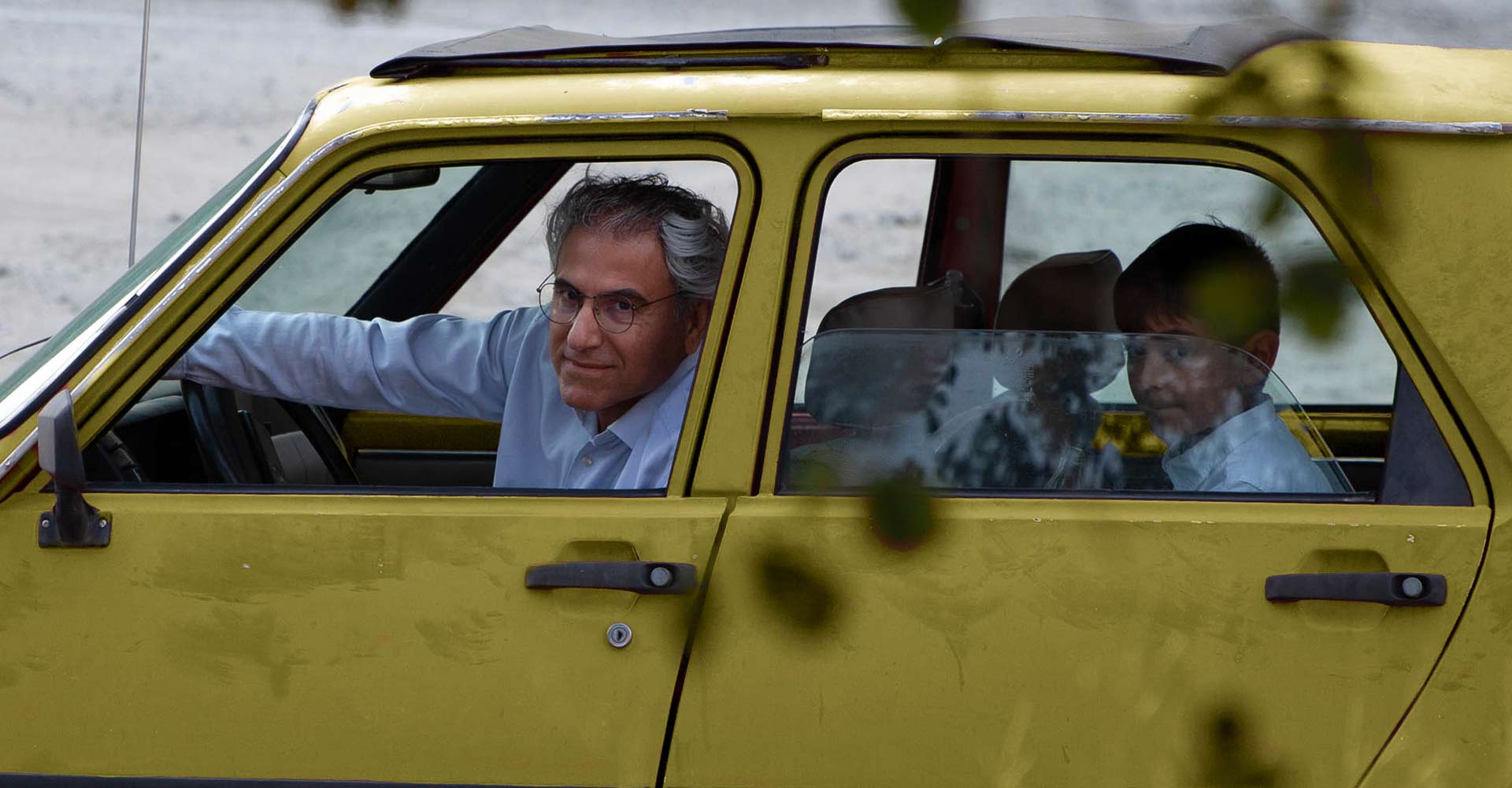
The influence of Abbas Kiarostami on The Way and the Well is foundational rather than referential. Kiarostami’s cinema—rooted in observation, restraint, and an uncompromising pursuit of truth—shaped the film’s philosophical posture and visual humility. His short film The Roads of Kiarostami was particularly formative: its quiet attention to roads, movement, and the act of looking transforms the road into a living metaphor. In The Way and the Well, this idea of “the road” evolves into the way—a poetic and existential path that stands in contrast to the static glow of screens. Kiarostami’s rejection of spectacle and his skepticism toward mediated reality directly inform the film’s critique of screen addiction, positioning lived experience, motion, and attentive seeing as acts of resistance against a modern cave of images.
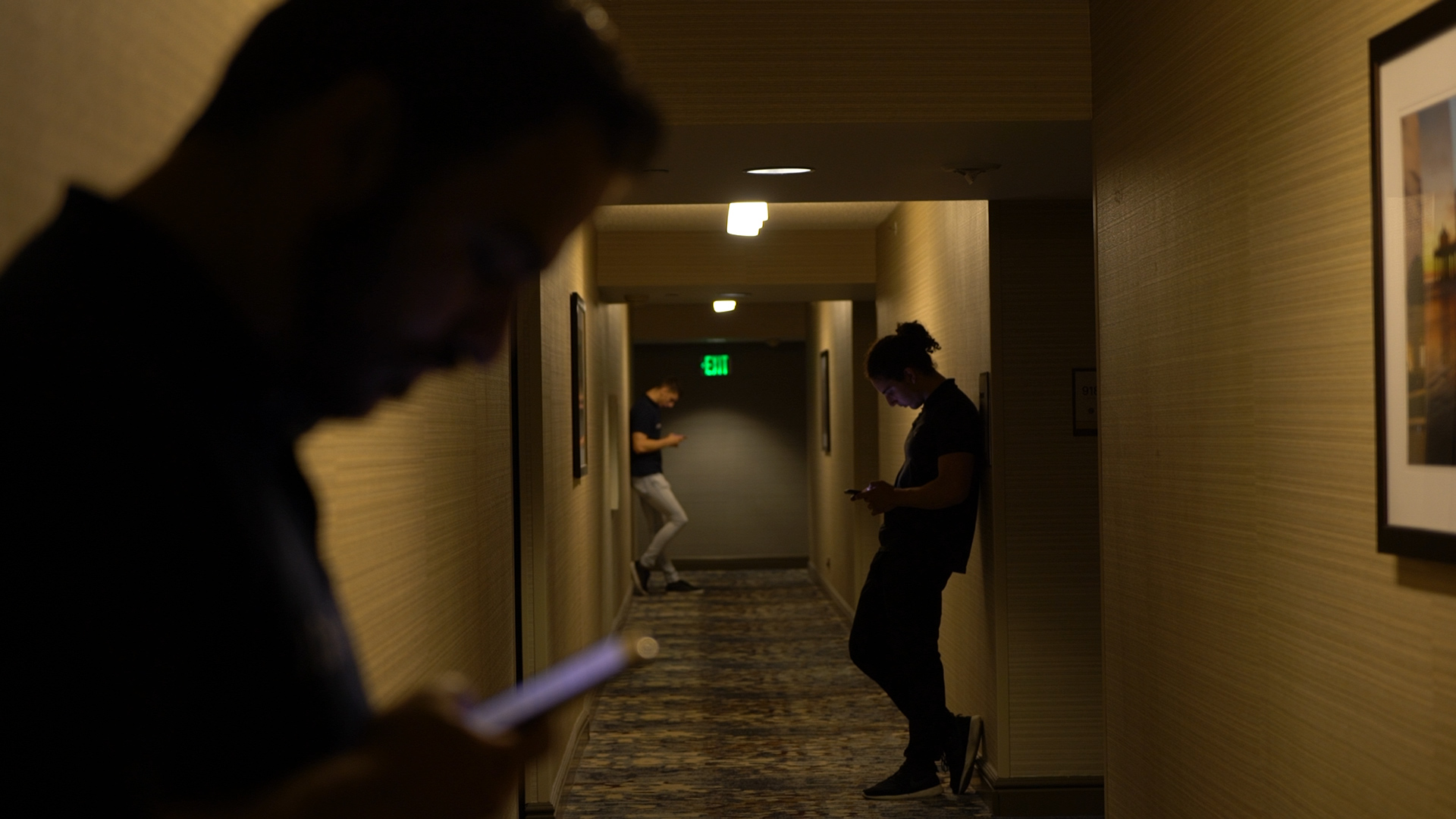
Another defining element of The Way and the Well is its method of creation. Over the course of several years, filmmaker Armen Sarvari shot the film intermittently across different countries and environments, without a fixed production schedule. Whenever he encountered people fully submerged in their screens—physically present yet detached from their surroundings—he would pause, assemble the set, and capture a moment. This spontaneous, almost documentary-like approach lends the film a striking sense of realism, grounding its philosophical concerns in everyday life. At the same time, the prolonged process leaves visible traces of time itself: changes in locations, technologies, and even the filmmaker’s own appearance subtly mark the passage of years. The result is a work that not only reflects on time and perception, but also embodies them, allowing duration, observation, and lived experience to become part of the film’s form.
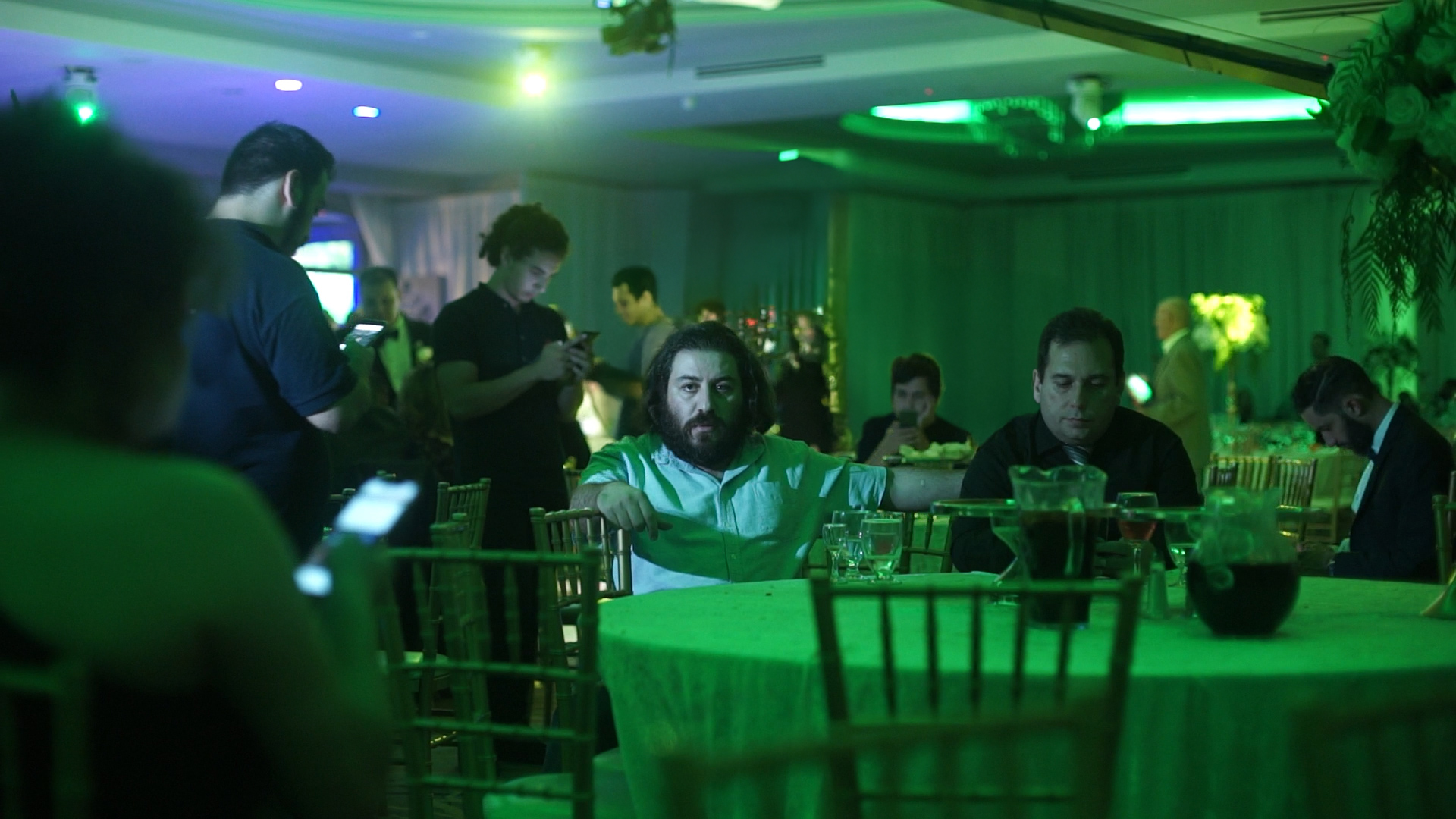
The inspiration for The Way and the Well took shape during a formative journey when Armen Sarvari traveled to Cuba to work alongside Abbas Kiarostami. The experience felt like traveling back in time. Due to Cuba’s limited cellphone infrastructure and weak wireless internet, smartphones were largely absent from daily life—an immediate contrast to the United States, where screens dominate public and private spaces alike. Upon arriving at the airport, Armen was struck by a simple yet unfamiliar sight: people looking around, talking to strangers, and occupying the same physical and social space without retreating into their phones. The absence of billboards, digital advertisements, and omnipresent commercial imagery further amplified this difference. That environment revealed, with quiet clarity, how deeply screen culture conditions perception elsewhere—how life continues to unfold while attention is diverted downward. This encounter with a less commercialized, less mediated way of living crystallized the film’s central realization: when our heads are buried in screens, we are often absent from life itself.